


WannaCry Ransomware Attack: Ignore the Rumors — Your ATM Is Safe for Now
In recent years, cybersecurity threats, ransomware attacks, and financial system vulnerabilities have become major concerns for businesses and consumers worldwide. Among the most infamous cyber incidents is the WannaCry ransomware attack, a global crisis that affected over 200,000 systems across 150+ countries. As discussions about WannaCry continue to resurface—especially on social media—so do exaggerated claims and misinformation. One recurring rumor is that ATMs may once again be at risk due to the same vulnerability exploited in 2025.
Cry Ransomware Attack?
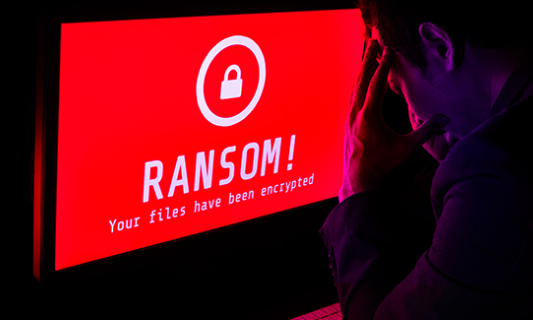
The WannaCry ransomware outbreak in May 2017 was one of the most destructive cyberattacks in modern history. It targeted Windows systems by exploiting a vulnerability known as EternalBlue, which allowed threat actors to spread malware rapidly across unpatched networks. Once infected, systems had their files encrypted and were held hostage for a Bitcoin ransom payment.
Critical industries—including healthcare, transportation, telecommunications, and finance—were affected. The attack caused massive disruption, leading to billions of dollars in economic damage and prompting renewed global emphasis on cybersecurity best practices, software patching, and network protection.
Why ATMs Were a Concern During the Attack
During the original WannaCry outbreak, some older ATMs running outdated versions of Windows were theoretically vulnerable. Because many financial institutions were still using Windows XP, a system no longer supported by Microsoft, the risk of infection was significant.
However, banks responded rapidly:
-
They installed emergency security patches released by Microsoft.
-
They isolated ATM networks from the internet.
-
They worked with cybersecurity teams to reinforce endpoint protection.
-
Many upgraded to more secure operating systems.
These immediate steps drastically reduced the likelihood of WannaCry compromising ATM networks.
Are ATMs at Risk Today? The Short Answer: No
Despite rumors circulating online, no new WannaCry variant is currently attacking ATMs, and there is no evidence of active exploitation targeting cash withdrawal systems. Modern banking infrastructure is far more secure than it was in 2017, thanks to:
1. Updated Security Patches
The EternalBlue vulnerability has long been patched. The vast majority of financial institutions have applied these updates across their ATM networks, eliminating the original attack vector.
2. Network Segmentation
ATMs today operate on hardened, segmented networks. They are not connected to open internet channels where malware like WannaCry spreads easily.
This isolation is a major layer of protection.
3. Enhanced Endpoint Security
Banks now use advanced tools such as:
-
Intrusion detection systems (IDS)
-
AI-driven threat monitoring
-
Heuristic malware protection
-
Hardware-based authentication
These technologies significantly reduce the possibility of ransomware infection.
4. Mandatory Compliance Standards
Financial institutions must now meet stricter cybersecurity compliance requirements, including PCI DSS, ISO 27001, and government-level security frameworks that require constant patching and vulnerability assessments.
In simple terms: today’s ATM ecosystem is significantly more fortified than it was during the original WannaCry outbreak.
Why the Rumors Keep Circulating
Misinformation spreads quickly—especially when tied to high-profile cyber threats or financial systems. There are three primary reasons why rumors about ATMs and WannaCry linger:
1. Fear of Financial Loss
People are naturally protective of their money. Any mention of bank vulnerabilities triggers instant worry and attention.
2. Legacy Systems Still Exist
While most institutions upgraded their systems, headlines about “remaining XP machines” or “outdated ATMs” spark unnecessary concern—even when those systems are isolated and secure.
3. Clickbait Culture
Cybersecurity incidents generate high traffic, high CPC, and high RPM, making them a prime target for sensational online news stories. Unfortunately, many articles prioritize clicks over accuracy.
What Consumers Should Actually Be Concerned About
While ATMs are safe, there are cybersecurity risks that everyday users should remain alert to:
1. Phishing Attacks
Scammers increasingly target individuals through email, SMS, and social media to steal login credentials or banking information.
2. Mobile Banking Fraud
Compromised apps, fake banking pages, and malware-infected downloads are far more common than ATM breaches.
3. Credential Theft
Weak passwords, repeated passwords, or stolen data from unrelated breaches can put your banking accounts at risk.
4. Unsecured Wi-Fi Networks
Public Wi-Fi can expose sensitive information to cybercriminals if users aren’t careful.
Focusing on these real threats is far more important than worrying about a revived WannaCry attack on ATMs.
How to Protect Yourself From Modern Cyber Threats
Here are essential cybersecurity tips to stay safe:
-
Enable two-factor authentication on all financial accounts
-
Use strong, unique passwords for every service
-
Avoid clicking suspicious links in emails or messages
-
Activate automatic updates on computers and smartphones
-
Use a reputable antivirus or endpoint protection tool
-
Monitor bank statements for unusual transactions
-
Never use public Wi-Fi for banking or payments

