


Global Food Trade Boom: Examining the Real Impact on Agriculture, Economy, and Food Security
The global food trade has experienced unprecedented growth in recent decades, with international agricultural commerce reaching record volumes and values. While this expansion appears positive on surface metrics, the actual outcomes of this booming trade reveal a complex picture affecting food security, economic development, environmental sustainability, and agricultural communities worldwide.
The Scale of Modern Food Trade Growth
International food commodity trading now exceeds $1.5 trillion annually, representing a dramatic increase from just a few decades ago. Agricultural products cross borders at unprecedented rates, with everything from grains and meat to fruits and processed foods traveling thousands of miles from producers to consumers.
This agricultural export boom reflects globalization’s deep penetration into food systems. Countries increasingly specialize in specific crops or livestock, trading their agricultural output for other food products rather than pursuing self-sufficiency. Major exporters like the United States, Brazil, and the European Union dominate grain markets, while developing nations often focus on cash crops like coffee, cocoa, and tropical fruits.
The rise of agribusiness corporations has accelerated this trend. Massive multinational companies control significant portions of global food supply chains, from seed production through processing and distribution. This consolidation creates efficiency gains but also concentrates market power in relatively few hands, raising questions about who truly benefits from expanding food trade.
Economic Benefits and Financial Implications
Proponents of expanded international agricultural commerce highlight substantial economic benefits. Export revenues provide crucial income for farming communities and national economies, particularly in developing countries where agriculture represents significant GDP portions. Countries with comparative advantages in certain crops can leverage global markets to maximize agricultural productivity and profitability.
Foreign exchange earnings from agricultural exports help developing nations purchase technology, infrastructure, and other imports necessary for economic development. Nations like Vietnam and Thailand have transformed their economies partly through strategic agricultural export development, lifting millions from poverty through cash crop production.
For importing nations, global food trade offers access to diverse, year-round food supplies at competitive prices. Food import dependency, while creating vulnerabilities, also allows countries with limited agricultural capacity to feed growing populations and free up resources for industrial development rather than subsistence farming.
Investment in agricultural technology and infrastructure accelerates in response to global market opportunities. Farmers with access to international buyers invest in improved seeds, irrigation systems, and mechanization that increase productivity. These improvements can have spillover benefits for domestic food production alongside export crops.
Food Security Paradoxes and Vulnerabilities
Despite massive growth in food trade, global food insecurity persists at alarming levels. Approximately 800 million people worldwide face chronic hunger, while food waste in wealthy nations reaches staggering proportions. This paradox reveals that simply moving more food across borders doesn’t automatically translate to better nutrition or food access for vulnerable populations.
Price volatility in international food markets creates severe risks for import-dependent nations. When global grain prices spiked in 2007-2008 and again in 2010-2011, food riots erupted across developing countries where families spend 50-70% of income on food. Similar price surges following recent geopolitical disruptions demonstrate ongoing vulnerability.
Export-oriented agriculture often displaces subsistence farming that traditionally provided local food security. When farmers shift from diverse food crops to cash crop monocultures for export, communities lose food sovereignty and become dependent on international markets for basic nutrition. This transition can increase rather than decrease food insecurity if export revenues don’t translate to affordable food access.
Climate and political disruptions expose supply chain fragility. The COVID-19 pandemic, Ukraine conflict, and extreme weather events have repeatedly demonstrated how quickly international food trade can be disrupted. Nations heavily dependent on imports face severe risks when supplier countries impose export restrictions during crises.
Environmental Costs of Global Food Trade
The environmental impact of international food commerce raises serious sustainability concerns. Transporting food thousands of miles generates massive carbon emissions, with refrigerated shipping particularly energy-intensive. A study found that food transportation accounts for nearly 20% of food system emissions globally.
Deforestation accelerates in countries producing export commodities. Brazilian rainforest destruction for soybean and cattle production, Indonesian forest clearing for palm oil plantations, and similar patterns worldwide demonstrate how global demand drives environmental degradation in producing regions. These environmental costs rarely factor into food prices.
Water resource depletion represents another hidden cost. Virtual water trade—the water embedded in agricultural products—often flows from water-scarce developing nations to water-rich developed countries. Water-intensive crops grown in drought-prone regions for export markets create unsustainable pressure on local water resources.
Pesticide and fertilizer use intensifies in export-oriented agriculture seeking maximum yields. While this boosts production volumes, it creates agricultural pollution affecting soil health, water quality, and biodiversity. Environmental regulations in producing countries often lag behind those in importing nations, effectively outsourcing pollution.
Impact on Farming Communities and Rural Development
The effects of global food trade on agricultural communities vary dramatically. Some farmers access lucrative international markets, earning substantially more than from domestic sales alone. Contract farming arrangements with multinational companies can provide stable income and technical support.
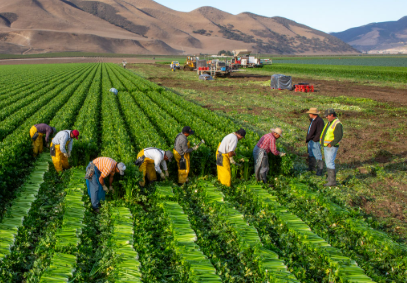
However, many smallholder farmers face marginalization. Large-scale industrial agriculture operations better positioned to meet export standards and volume requirements increasingly dominate global trade. Small farmers lacking capital, technology, or market access find themselves unable to compete, sometimes losing land to consolidation.
Fair trade initiatives attempt addressing these inequities by ensuring minimum prices and better conditions for small producers. While beneficial for participating farmers, fair trade reaches only a small fraction of global agricultural commerce, leaving most producers subject to conventional market forces.
Rural-to-urban migration accelerates when traditional farming becomes economically unviable. While some view this as natural development, it can hollow out rural communities and eliminate traditional agricultural knowledge. The social costs of disrupted communities rarely appear in trade statistics.
Market Power and Corporate Concentration
Food monopolies increasingly control global agricultural trade. A handful of companies dominate each major commodity sector—grain trading, meat processing, seed production—creating potential for market manipulation and reducing farmer negotiating power. This concentration means trade expansion benefits primarily large corporations rather than producing communities.
Rethinking Global Food Systems
The booming global food trade produces mixed results requiring honest assessment. While generating economic activity and enabling food availability, current patterns also create vulnerabilities, environmental damage, and inequality that undermine stated goals of food security and sustainable development. Achieving truly beneficial outcomes demands reforms prioritizing resilience, sustainability, and equity over pure volume growth in international agricultural commerce.

