


Tennessee Achieves Historic Low Unemployment Rate: Economic Boom Creates Job Opportunities
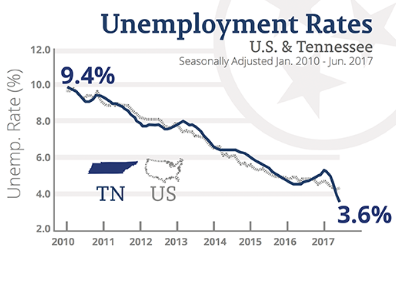
Tennessee has reached a historic milestone with its lowest unemployment rate ever recorded in June, according to Governor Bill Haslam, signaling robust economic growth and unprecedented job creation across the state.
Tennessee Achieves Historic Low Unemployment Rate: Economic Boom Creates Job Opportunities
Tennessee has reached a historic milestone with its lowest unemployment rate ever recorded in June, according to Governor Bill Haslam, signaling robust economic growth and unprecedented job creation across the state.
Tennessee’s Employment Breakthrough
The announcement marks a significant achievement for Tennessee economy and positions the state as a leader in job growth nationwide. This historic unemployment rate reflects years of strategic economic development initiatives, business-friendly policies, and substantial investments in workforce development programs.
Governor Haslam’s administration has consistently focused on creating an environment conducive to business growth, attracting major corporations, and supporting small businesses. The result is a thriving labor market that benefits both employers and job seekers across Tennessee.
Understanding the Economic Impact
What Low Unemployment Means for Tennessee
A record-low unemployment rate indicates that nearly everyone actively seeking employment can find work. This tight labor market creates several positive effects throughout the economy, including increased consumer spending, higher tax revenues, and improved quality of life for Tennessee residents.
Economic indicators suggest that Tennessee’s success stems from diversified industry growth. Manufacturing, healthcare, technology, and logistics sectors have all contributed to the state’s employment growth, creating a resilient economy less vulnerable to single-industry downturns.
Job Creation Across Multiple Sectors
Job opportunities in Tennessee span diverse industries. The state has successfully attracted major employers while nurturing homegrown businesses. From Nashville’s booming healthcare and music industries to Memphis’s logistics hub and Chattanooga’s emerging tech scene, career opportunities abound for professionals at all skill levels.
Key Factors Driving Tennessee’s Success
Business-Friendly Environment
Tennessee’s commitment to maintaining low taxes and reasonable regulatory frameworks has attracted businesses nationwide. The absence of state income tax on wages makes Tennessee particularly attractive for high-income professionals and companies seeking to maximize employee compensation packages.
Corporate tax policies favor business expansion and job creation, encouraging companies to establish headquarters, manufacturing facilities, and distribution centers throughout the state. This strategic approach to economic policy has paid dividends in employment statistics.
Workforce Development Initiatives
Investment in education and training programs has prepared Tennessee workers for modern economy demands. Community colleges, technical schools, and vocational training programs align curriculum with employer needs, ensuring workers possess relevant skills for available positions.
Career development programs help unemployed individuals transition into growing sectors, while professional development opportunities allow existing workers to advance their careers. This focus on human capital development strengthens the state’s competitive advantage.
Infrastructure Investment
Tennessee’s strategic infrastructure development supports business operations and logistics efficiency. Major highways, airports, and rail connections facilitate commerce, while investments in broadband internet enable rural areas to participate in the digital economy.
Real estate development has accelerated in major cities and suburbs, accommodating population growth and providing housing for incoming workers. This coordinated approach to urban planning and infrastructure ensures sustainable growth.
Implications for Job Seekers and Workers
Increased Bargaining Power
In a tight labor market, workers enjoy greater negotiating leverage. Salary increases, enhanced benefits packages, and improved working conditions become more common as employers compete for qualified talent. Wage growth typically accelerates when unemployment reaches historic lows.
Job security also improves significantly. Employers invest more in retaining quality employees through training, career advancement opportunities, and workplace improvements. This environment favors workers seeking long-term employment stability.
Career Advancement Opportunities
Low unemployment creates internal promotion opportunities as companies struggle to fill positions externally. Employees can leverage market conditions to negotiate salary negotiations, pursue career changes, or seek positions with greater responsibility and compensation.
Professional networking becomes increasingly valuable as companies actively recruit through employee referrals and industry connections. Job fairs and recruitment events proliferate, giving candidates multiple pathways to desirable positions.
Challenges Accompanying Low Unemployment
Labor Shortage Concerns
While low unemployment signals economic health, it can create challenges for businesses seeking to expand. Talent acquisition becomes more competitive and expensive. Companies may struggle to fill specialized positions, potentially limiting business expansion plans.
Small business owners particularly feel pressure from labor shortages. Competing with large corporations for workers often requires offering competitive compensation packages that strain smaller budgets. Human resources strategies must evolve to attract and retain quality employees.
Wage Inflation Pressures
Tight labor markets typically drive wage inflation as employers bid up compensation to attract workers. While beneficial for employees, rising labor costs can squeeze profit margins and potentially lead to price increases for consumers.
Cost of living considerations become more prominent as wages and housing costs rise simultaneously. Financial planning becomes crucial for workers and families navigating these economic shifts.
Long-Term Economic Outlook
Sustainable Growth Strategies
Maintaining record-low unemployment requires continued focus on economic diversification and innovation. Tennessee must continue attracting emerging industries like technology, renewable energy, and advanced manufacturing while supporting traditional economic pillars.
Investment strategies should prioritize education, infrastructure, and quality-of-life improvements that make Tennessee attractive to skilled workers and their families. Retirement planning and wealth building opportunities improve when economies provide stable, well-compensated employment.
Preparing for Economic Cycles
Smart financial management recognizes that economic conditions fluctuate. While current employment conditions are exceptional, prudent economic policy prepares for inevitable downturns. Building reserves, maintaining diverse tax bases, and supporting entrepreneurship creates resilience.

